
Species
Astragalus phoenix
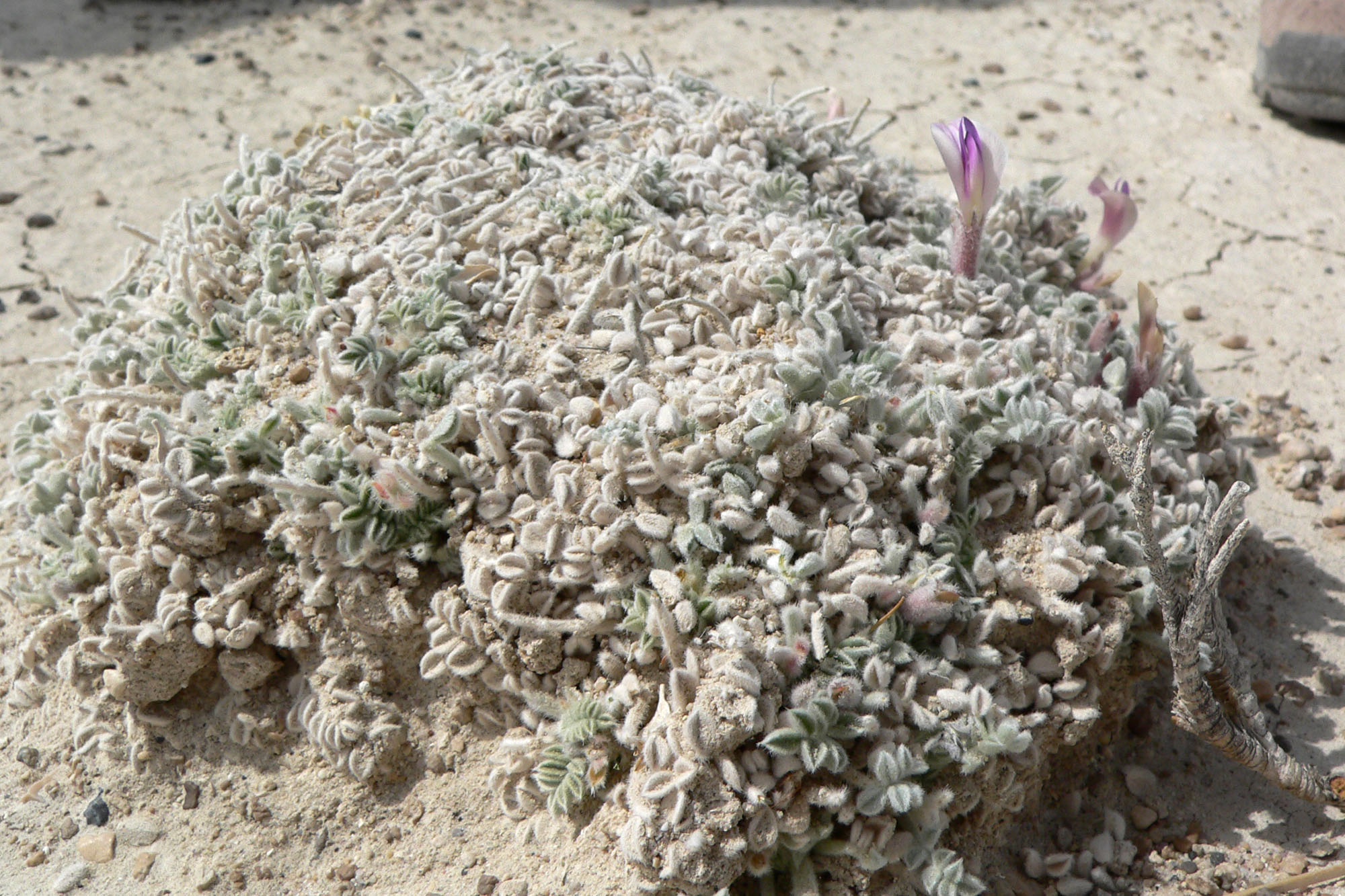
Astragalus phoenix, commonly known as Ash Meadows Milkvetch, is a perennial herbaceous plant native to the Ash Meadows National Wildlife Refuge in Nevada, USA.
Also known as: Ash Meadows Milkvetch
Astragalus phoenix, commonly known as Ash Meadows Milkvetch, is a perennial herbaceous plant native to the Ash Meadows National Wildlife Refuge in Nevada, USA. This species is primarily found in the Mojave Desert region, thriving in alkaline soils and areas with high water tables. It typically grows to a height of 30 to 60 centimeters and exhibits a sprawling or erect growth habit, often forming dense clumps that can spread laterally.
The leaves of Astragalus phoenix are pinnately compound, consisting of numerous small leaflets that are lanceolate to ovate in shape, contributing to its overall delicate appearance. The flowers are a distinctive feature of the plant, presenting in racemes and exhibiting a pale yellow to cream coloration with purple markings, which attract various pollinators. The flowering period generally occurs in spring, followed by the development of elongated, curved pods that contain several seeds. These pods are typically hairy and can be up to 5 centimeters long, aiding in seed dispersal.
Ecologically, Ash Meadows Milkvetch plays a significant role in its native habitat by providing food and habitat for local wildlife, including pollinators such as bees and butterflies. It is also an important component of the desert ecosystem, contributing to soil stabilization and nutrient cycling. One notable adaptation of this species is its ability to tolerate high salinity levels, allowing it to thrive in environments that are inhospitable to many other plant species. This adaptation is crucial for its survival in the harsh conditions of the desert, where water availability can be limited and soil salinity can be high.


Plant images courtesy of Wikimedia Commons — a free media repository maintained by volunteers worldwide. Thank you — please consider donating ♥
No additional plant samples are currently filed under this species.
© Gnomeprints 2021
Design by ThemeShift.