
Species
Bellis perennis
Bellis perennis, or Lawndaisy, is a resilient perennial with charming flowers and ecological significance.
Also known as: Lawndaisy
Bellis perennis, commonly known as Lawndaisy, is a perennial herbaceous plant native to Europe but has widely naturalized in temperate regions around the world. It typically grows to a height of 6 to 12 inches, forming a low rosette of leaves that are spoon-shaped and have a slightly hairy texture. The flowers are the most notable feature, characterized by their white petals surrounding a yellow center, blooming from early spring to late autumn, and attracting various pollinators such as bees and butterflies. The plant produces small, dry achenes as fruit, which can be dispersed by wind and animals, aiding in its spread across suitable habitats.
Ecologically, Bellis perennis plays a role in providing nectar and pollen for pollinators, contributing to the biodiversity of grasslands and meadows. It is often found in lawns, pastures, and disturbed areas, thriving in a variety of soil types. Human uses of Lawndaisy include its application in traditional herbal medicine for its anti-inflammatory properties and its popularity as a lawn and garden ornamental due to its charming flowers. Interestingly, this species has adapted to a range of environmental conditions, showing resilience in compacted soils and tolerating light foot traffic, making it a favored choice for ground cover in urban landscapes.


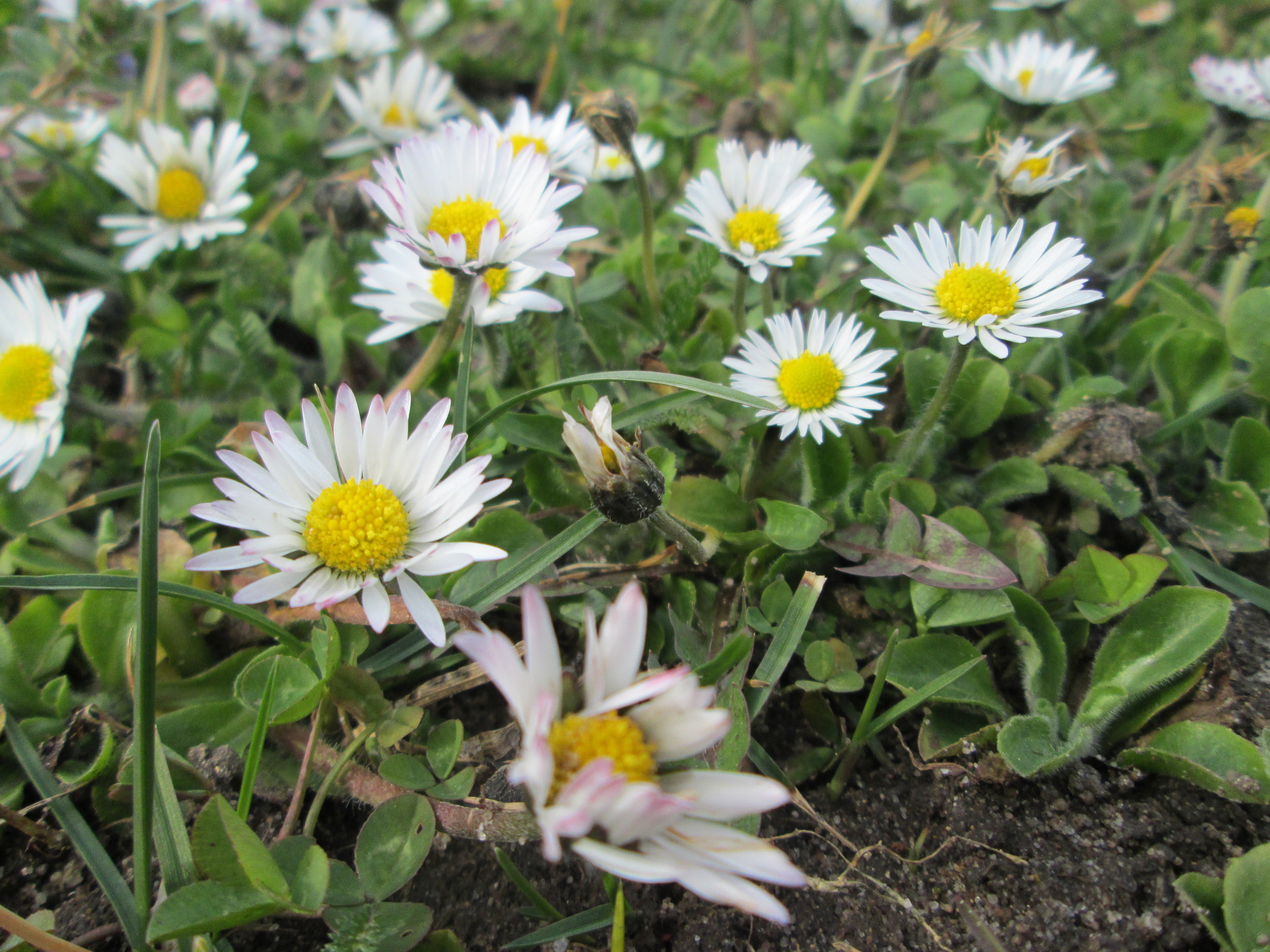

Plant images courtesy of Wikimedia Commons — a free media repository maintained by volunteers worldwide. Thank you — please consider donating ♥
No additional plant samples are currently filed under this genus.
No additional plant samples are currently filed under this species.
© Gnomeprints 2021
Design by ThemeShift.