
Species
Bidens discoidea
Small Beggarticks is a resilient annual herb with striking yellow flowers, native to the southeastern U.S.
Also known as: Small Beggarticks
Bidens discoidea, commonly known as Small Beggarticks, is native to the southeastern United States, thriving in wetland areas, along roadsides, and in disturbed habitats. This annual herb typically reaches heights of 1 to 3 feet, exhibiting an upright growth habit with slender, branching stems. The leaves are deeply lobed and can vary in shape, providing a lush green backdrop to the plant’s striking yellow flower heads that bloom from late summer to fall. Each flower head is composed of numerous small florets, attracting a variety of pollinators, including bees and butterflies, which play a crucial role in its reproduction. The seeds are equipped with barbed bristles, allowing them to cling to fur or clothing, facilitating their dispersal across the landscape.
Ecologically, Bidens discoidea contributes to the biodiversity of its native habitats, providing food and shelter for various wildlife. It is often utilized in restoration projects due to its ability to thrive in disturbed soils and its role in preventing erosion. The species has adapted to wet conditions, with a tolerance for fluctuating water levels, making it an important plant for wetland ecosystems. While not widely used in horticulture, its resilience and attractive flowers make it a potential candidate for naturalized gardens and pollinator-friendly landscapes.

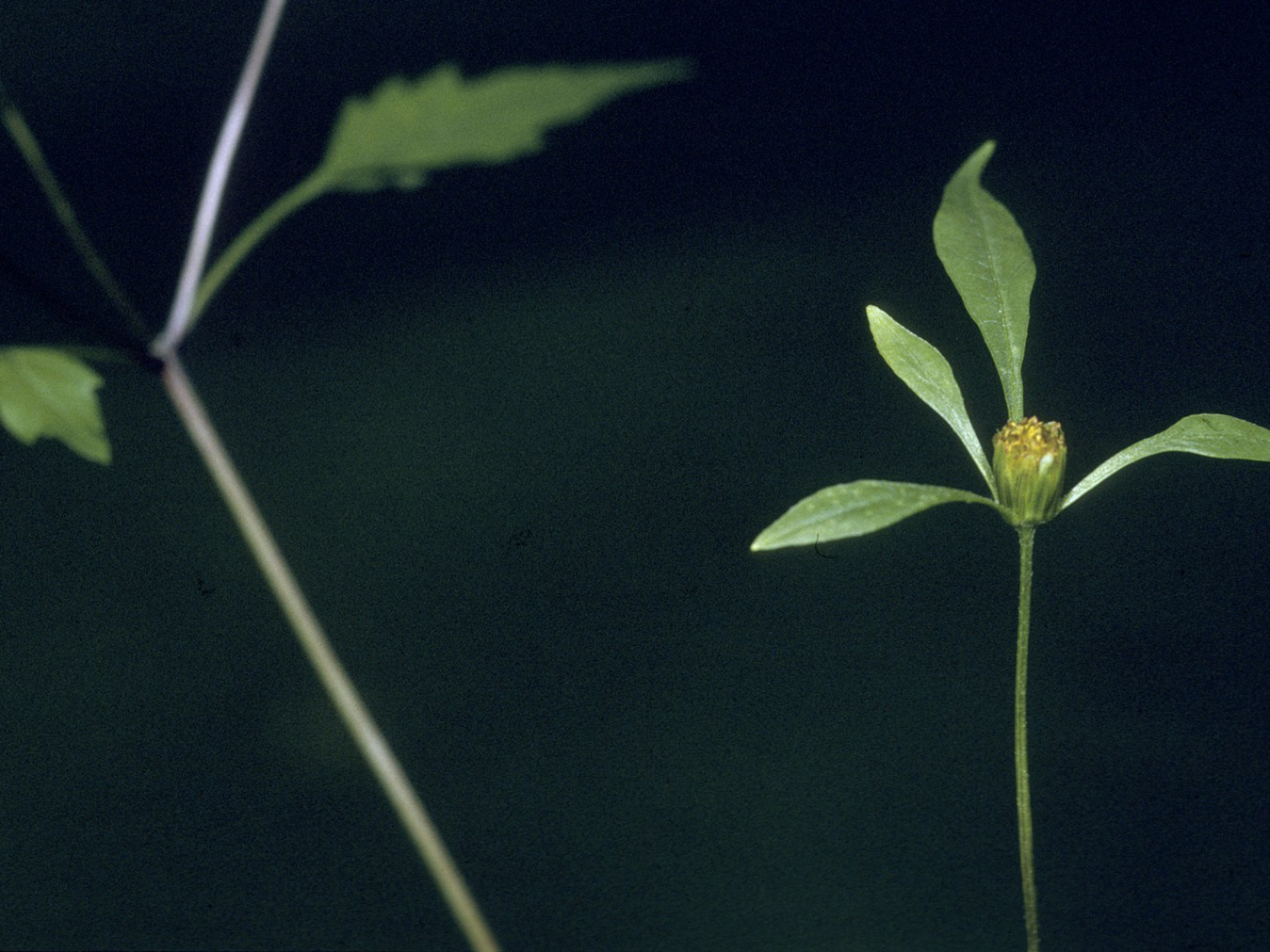
Plant images courtesy of Wikimedia Commons — a free media repository maintained by volunteers worldwide. Thank you — please consider donating ♥
No additional plant samples are currently filed under this species.
© Gnomeprints 2021
Design by ThemeShift.