Species
Viola odorata
Viola odorata, or Sweet violet, is a fragrant, perennial herb native to Europe and Asia, valued for its medicinal and ornamental uses.
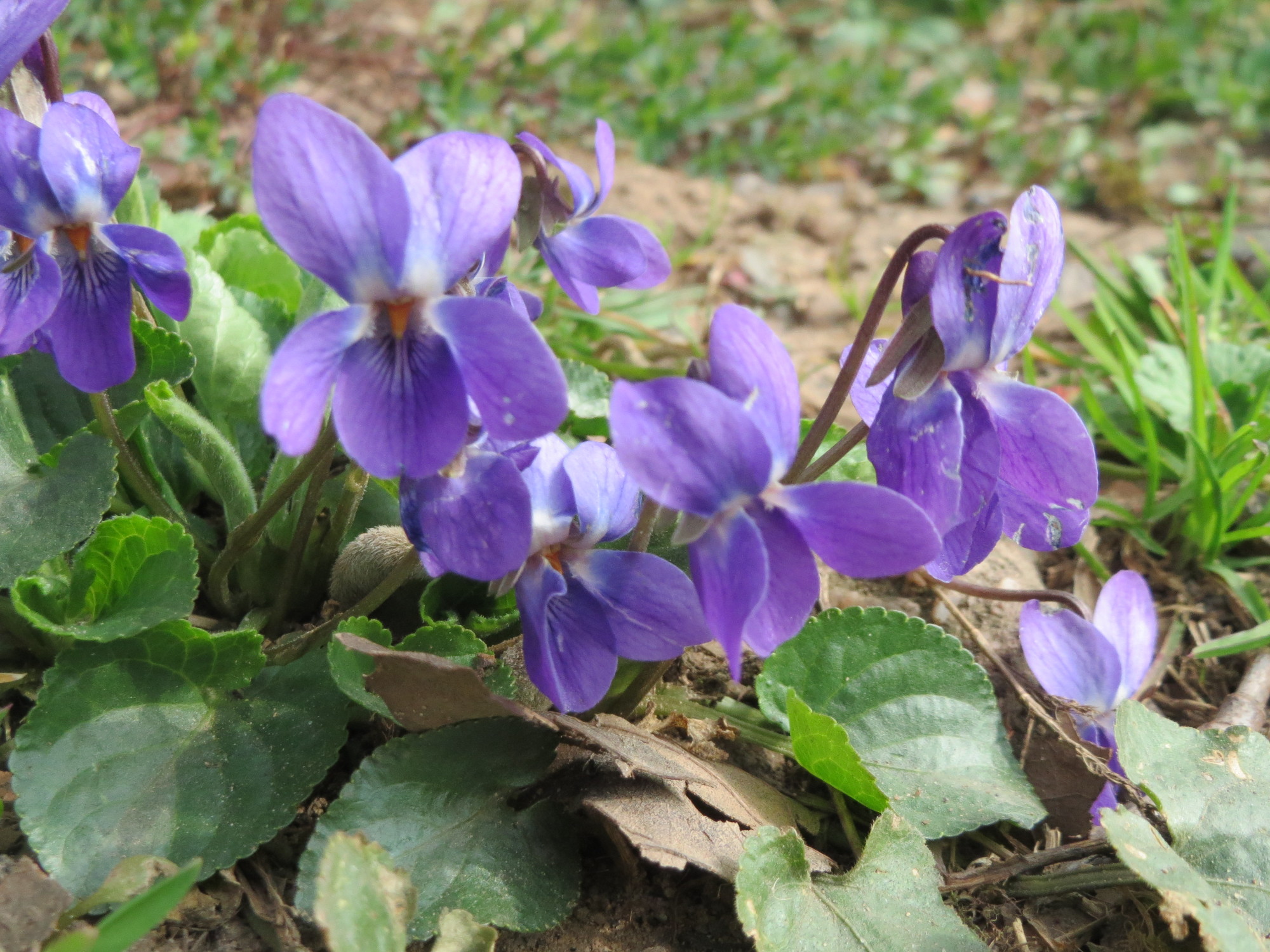
Viola odorata, commonly known as Sweet violet, is a perennial herbaceous plant belonging to the Violaceae family. It typically grows to a height of 5 to 15 centimeters, forming a low, dense mat of foliage. The plant is characterized by its heart-shaped, dark green leaves with serrated edges. Its flowers, which bloom in early spring, are fragrant and usually violet in color, although white and pale pink varieties can also be found. The flowers have five petals, with the lower petal featuring a distinctive spur. The fruit is a small, green capsule that releases numerous tiny seeds. Notable varieties include the white-flowered ‘Alba’ and the double-flowered ‘Queen Charlotte’.
Native to Europe and parts of Asia, Viola odorata thrives in temperate climates. It is commonly found in woodlands, hedgerows, and shaded areas, often at low to moderate elevations. The plant prefers moist, well-drained soils and can adapt to a range of light conditions, from full sun to partial shade. Its ability to colonize a variety of habitats makes it a widespread species across its native range.
Ecologically, Viola odorata is adapted to attract pollinators such as bees and butterflies with its sweet scent and vibrant flowers. The seeds are dispersed by ants, a process known as myrmecochory, which is facilitated by the presence of elaiosomes—nutritive appendages that attract ants. The plant forms symbiotic relationships with mycorrhizal fungi, enhancing its nutrient uptake. It is moderately tolerant to drought and frost, allowing it to survive in varying environmental conditions.
Sweet violet has a rich history of human use, particularly in traditional medicine and perfumery. The flowers and leaves have been used for their mild expectorant and anti-inflammatory properties. In culinary contexts, the flowers are sometimes used to flavor syrups and desserts. The plant is also valued for its ornamental appeal in gardens, often used as ground cover or in shaded borders. Historically, it has been associated with love and remembrance in various cultural traditions.
Currently, Viola odorata is not listed as threatened on the IUCN Red List, indicating a stable population. However, habitat loss and overharvesting for medicinal purposes could pose future threats. Research into its phytochemical properties continues, with studies exploring its potential antioxidant and antimicrobial activities. Its role in traditional medicine and horticulture underscores its ongoing significance to both science and culture.
Plant in early spring, spacing 15–30 cm apart. Prune spent flowers to encourage blooming. Establish in well-drained soil with moderate watering.
Plant images courtesy of Wikimedia Commons — a free media repository maintained by volunteers worldwide. Thank you — please consider donating ♥
© Gnomeprints 2021
Design by ThemeShift.