Species
Origanum majorana
Origanum majorana, or Marjoram, is a Mediterranean herb known for its aromatic leaves and culinary, medicinal uses.
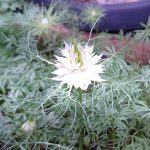
Origanum majorana, commonly known as Marjoram, is a perennial herbaceous plant belonging to the Lamiaceae family. It typically grows to a height of 30 to 60 centimeters, forming a bushy, rounded shape. The plant is characterized by its small, oval, gray-green leaves that are densely covered with fine hairs, giving them a soft texture. Marjoram produces tiny, white to pale pink flowers arranged in clusters, which bloom in the summer. The flowers are tubular and bilabiate, typical of the mint family, and are followed by small, nut-like fruits. Distinguishing features of Marjoram include its aromatic foliage and the subtle, sweet fragrance of its leaves. While there are no widely recognized subspecies, several cultivars exist, bred for variations in aroma and leaf size. Native to the Mediterranean region, Origanum majorana thrives in warm, temperate climates. It is commonly found in regions that experience mild, wet winters and hot, dry summers. The plant prefers well-drained soils and can be found growing in rocky, calcareous environments. Marjoram is typically found at elevations ranging from sea level to about 1,500 meters. It is well-adapted to Mediterranean ecosystems, often growing in open, sunny areas. Marjoram exhibits several ecological adaptations that allow it to thrive in its native habitat. It is primarily pollinated by bees and other insects attracted to its fragrant flowers. The plant’s seeds are small and light, facilitating dispersal by wind. Marjoram forms symbiotic relationships with mycorrhizal fungi, which enhance its nutrient uptake. The plant is moderately drought-tolerant once established, although it prefers regular watering during prolonged dry periods. It is not particularly frost-tolerant and requires protection in colder climates. Marjoram has a long history of use in culinary and medicinal traditions. Its leaves are commonly used as a spice in Mediterranean cuisine, imparting a sweet, aromatic flavor to dishes. Medicinally, Marjoram has been used for its purported digestive and anti-inflammatory properties. It has also been employed in traditional medicine as a remedy for respiratory ailments and as a mild sedative. In addition to its culinary and medicinal uses, Marjoram is valued as an ornamental plant for its attractive foliage and pleasant aroma. The conservation status of Origanum majorana is not currently assessed by the IUCN. However, the plant does not face significant threats in its native range, as it is widely cultivated and naturalized in many regions. Scientific research on Marjoram has focused on its essential oils, which contain compounds with potential antioxidant and antimicrobial properties. The plant’s role in traditional medicine and its phytochemical profile continue to be areas of active study.
Sow seeds indoors or direct sow after last frost. Keep soil moist but not waterlogged.
Plant images courtesy of Wikimedia Commons — a free media repository maintained by volunteers worldwide. Thank you — please consider donating ♥
No additional plant samples are currently filed under this species.
© Gnomeprints 2021
Design by ThemeShift.