

Description
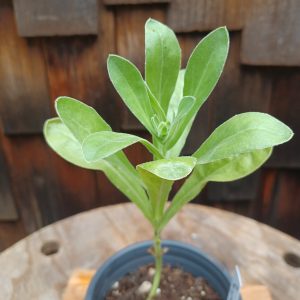
Red Goji Berry Plant (Lycium barbarum)


The Red Goji Berry plant (Lycium barbarum) is a hardy perennial shrub prized for its bright red berries and long history in traditional herbal and culinary use. Native to parts of Asia but easy to grow in many climates, goji plants produce abundant berries that can be eaten fresh, dried, or added to teas, soups, and desserts. The plant itself is drought-tolerant, resilient, and well suited to gardens, orchards, or large containers.
Uses
Culinary
-
Fresh berries have a mildly sweet, slightly tangy flavor.
-
Commonly dried and used like raisins.
-
Added to teas, oatmeal, smoothies, soups, or baked goods.
Traditional Herbal Use
-
Often used in tonics and teas.
-
Historically associated with general vitality and wellness.
Garden Benefits
-
Attractive arching shrub with small purple flowers followed by bright red berries.
-
Can be trained along a trellis or grown as a loose hedge.
Plant Care
Sunlight
Full sun is best (6–8 hours daily). Plants tolerate partial sun but yield fewer berries.
Soil
Well-drained soil is essential. Goji plants tolerate poor soils but prefer slightly alkaline to neutral conditions (roughly pH 6.5–8).
Watering
Moderate watering during establishment. Once established, plants are fairly drought tolerant.
Spacing
Space plants 3–5 feet apart. They can reach 6–8 feet tall with arching branches.
Pruning
Prune in early spring to remove weak growth and shape the plant. This improves airflow and berry production.
Cold Tolerance
Very hardy. Many varieties tolerate winter temperatures below −15°F (−26°C).
Support
Young plants benefit from a stake or trellis to keep branches upright.
Harvesting Berries
Goji plants typically begin producing fruit in late summer through fall.
When to harvest
-
Pick berries when they are fully red and slightly soft.
-
Ripe berries detach easily from the stem.
How to harvest
-
Gently shake branches over a cloth or basket, or hand-pick berries.
-
Handle carefully—fresh berries bruise easily.
Drying Goji Berries
Drying preserves the berries for long-term storage.
Air-drying method
-
Rinse berries lightly and pat dry.
-
Spread in a single layer on a drying screen or tray.
-
Place in a warm, shaded, well-ventilated area.
-
Turn berries daily.
-
Drying usually takes 3–7 days depending on humidity.
Dehydrator method
-
Spread berries evenly on trays.
-
Dry at 95–115°F (35–46°C).
-
Berries are ready when they become wrinkled but still slightly flexible.
Store dried berries in an airtight jar in a cool, dark place.
Simple Goji Berry Tea
Ingredients
-
1 tablespoon dried goji berries
-
1 cup hot water
-
Optional: honey, ginger, or lemon
Instructions
-
Place dried berries in a cup.
-
Pour hot water over them.
-
Steep 5–10 minutes.
-
Drink the tea and eat the rehydrated berries.
Note: Goji berries may interact with certain medications (particularly blood thinners). Anyone taking medications should consult a healthcare professional before consuming large amounts.
Reviews
There are no reviews yet.