
Description
White Horehound (Marrubium vulgare)
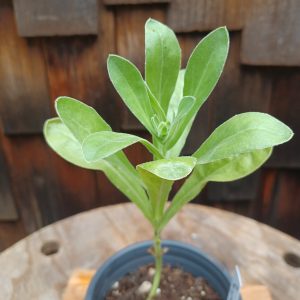
White horehound is a hardy medicinal herb that has been valued for centuries in European and Middle Eastern herbal traditions. Its woolly silver-green leaves and small white flowers give it a distinctive appearance, and its intensely bitter flavor reveals the powerful compounds that made it a classic remedy for coughs and respiratory congestion. This perennial mint-family plant is extremely resilient, drought-tolerant, and well suited for herb gardens, medicinal plant collections, or naturalized patches.
Traditional Uses
White horehound is best known as a respiratory herb. The leaves contain bitter diterpenes (especially marrubiin) that stimulate secretions and help loosen mucus.
Common traditional uses include:
- Cough relief
- Bronchial congestion
- Sore throat support
- Digestive stimulation (bitters)
- Mild expectorant
It has historically been used in horehound cough drops and candies, where the bitterness is balanced with sugar or honey.
Plant Care
Hardiness: Zones 4–9
Type: Perennial herb
Height: 18–30 in (45–75 cm)
Light
- Full sun is ideal.
- Tolerates partial sun but produces stronger medicinal compounds in bright light.
Soil
- Prefers well-drained soil.
- Thrives in poor, rocky, or sandy soils.
- Optimal pH: 6.0–7.5
Water
- Low water requirements once established.
- Overwatering can weaken the plant.
Spacing
- Space plants 18–24 inches apart.
Growth Habit
- Forms bushy clumps with square stems typical of the mint family.
- Can self-seed if flower heads mature.
Maintenance
- Pruning encourages branching and fresh leaf production.
- Cutting plants back mid-season can stimulate a second flush of growth.
Harvesting & Drying
White horehound does not produce berries used medicinally — the leaves and flowering tops are the parts traditionally harvested.
When to Harvest
- Best harvested just as the plant begins flowering, when medicinal compounds are strongest.
How to Harvest
- Cut upper stems (4–8 inches) with leaves and flowers.
- Harvest in the morning after dew dries.
Drying
- Tie small bundles of stems.
- Hang upside down in a warm, dark, well-ventilated area.
- Drying usually takes 7–10 days.
Storage
- Strip dried leaves from stems.
- Store in airtight jars away from light.
- Potency typically lasts about one year.
Simple Horehound Cough Tea
Ingredients
- 1–2 teaspoons dried horehound leaves
- 1 cup hot water
- Honey or lemon (optional)
Instructions
- Place dried horehound in a cup or tea infuser.
- Pour boiling water over the herb.
- Cover and steep 10–15 minutes.
- Strain and sweeten with honey if desired.
The bitterness signals its active compounds, so sweeteners help make the tea more pleasant while preserving its traditional benefits.
Classic Horehound Candy (Traditional Herbal Sweet)
Ingredients
- 1 cup strong horehound tea
- 2 cups sugar
- 1 cup honey
Method
- Brew a very strong horehound tea (about ¼ cup dried herb to 1 cup water).
- Strain and combine tea, sugar, and honey in a saucepan.
- Boil until the mixture reaches the hard crack stage (about 300°F / 150°C).
- Pour onto an oiled sheet or candy molds.
- Allow to cool and break into pieces.
These candies were historically carried to soothe coughs and throat irritation.
Additional Notes
- Horehound spreads readily by seed in favorable conditions.
- Bees and beneficial insects are attracted to its flowers.
- Because of its strong bitterness, only small amounts are typically used medicinally.
Reviews
There are no reviews yet.